-

- Sopto Home
-

- Special Topic
-
- PCI-E Card Knowledge
-
- How to Disable PCI Express in BIOS?

PCI-E Card Knowledge
- Info about Network Interface Card Teaming
- How to Setup a Server with Multiple Network Interface Adapters?
- How to Reconnect an Internet Network Adapter for an Acer Aspire?
- 9 Things to Do When Your Internal Network Card Stops Working
- Ethernet Standards NIC for Home Networking
- What Is a Network Interface Adapter?
- How to Configure a Network Interface Card in Linux?
- How should Configure Your NIC for ISA and TMG?
- Recommended Network Card Configuration for Forefront UAG Servers
SOPTO Special Topic
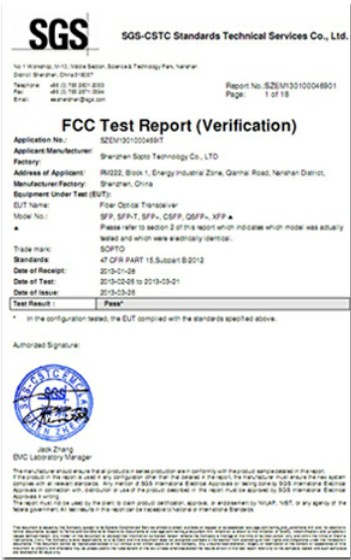
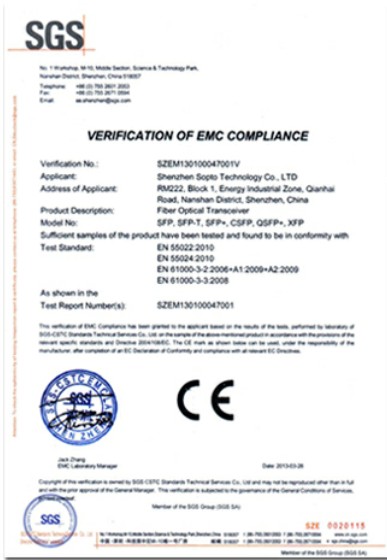
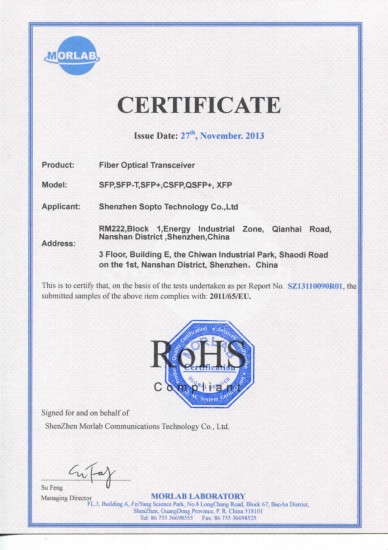
Certificate
Guarantee
Except products belongs to Bargain Shop section, all products are warranted by SOPTO only to purchasers for resale or for use in business or original equipment manufacturer, against defects in workmanship or materials under normal use (consumables, normal tear and wear excluded) for one year after date of purchase from SOPTO, unless otherwise stated...
Return Policies
Defective products will be accepted for exchange, at our discretion, within 14 days from receipt. Buyer might be requested to return the defective products to SOPTO for verification or authorized service location, as SOPTO designated, shipping costs prepaid. .....
Applications
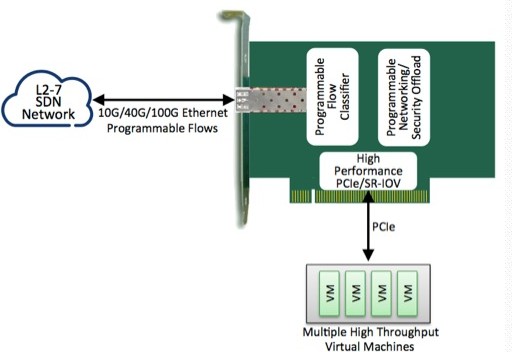
PCI-E NIC Cards provide redundant connectivity to ensure an uninterrupted network connection.
PCI-E NIC Cards are ideal for VM environments with multiple operating systems, requiring shared or dedicated NICs.
They are specially designed for desktop PC clients, servers, and workstations with few PCI Express slots available.
SNS Page


SOPTO Products
- Fiber Optic Transceiver Module
- High Speed Cable
- Fiber Optical Cable
- Fiber Optical Patch Cords
- Splitter CWDM DWDM
- PON Solution
- FTTH Box ODF Closure
- PCI-E Network Card
- Network Cables
- Fiber Optical Adapter
- Fiber Optical Attenuator
- Fiber Media Converter
- PDH Multiplexers
- Protocol Converter
- Digital Video Multiplexer
- Fiber Optical Tools
- Compatible
Related Products
Performance Feature
PCI-E Card Knowledge
Recommended
How to Disable PCI Express in BIOS?
The Basic Input Output System (BIOS) controls a lot of computers' main boot processes and decides what hardware the motherboard lets the operating system know about. In some BIOS settings, you have the option of disabling the Peripheral Component Interconnect Express (PCI-E) slot that would normally house a dedicated graphics card. This can help with some repair and troubleshooting issues by forcing the operating system to use the on-board graphics card instead of a malfunctioning dedicated card.
Then, how to disable PCI-Express in BIOS? Answer is shown below:
Click the "Start" menu, then the arrow next to "Shut Down" and choose the "Reboot" option. If your machine is already turned off, simply press the power on button.
.jpg)
Gigabit EF Dual Port PCI Express Server Adapter
Examine the screen during the “Power On Self Test (POST)” portion of the boot cycle, when you hear the two PC speaker beeps. There will be an option labeled "Press X to Enter BIOS Settings" where "X" is a specific key. Press that key before your machine can boot the OS. This key varies between manufacturers and firmware versions, but is most often "DEL", "F2", or "F10".
Use the arrow keys to navigate your BIOS settings. As each manufacturer's firmware is different, you may be provided with a "PCI" or "hardware" tab or the PCI-E information may be on the first page. Highlight the option and use the "+/-" keys to set the PCI-E slot to "Disabled."
Highlight the "Save and Quit" option using the arrow keys or press "F10" (if instructed) to reboot with your new settings. Once the machine reboots, the PCI-E slot will be disabled.
Sopto supplies high quality PCI Express Cards with reasonable price specifically for network servers. For the newest quotes, please contact a Sopto representative by calling 86-755-36946668, or by sending an email to info@sopto.com. For more info, please browse our website.