


Twinax Cable Knowledge
- Cable Labeling as Part of Data Center Management
- How to Correctly Run cables On Servers in a Data Center?
- 4 Realities You Should Consider 10G Ethernet for Your Business
- Is it finally the end of copper?
- Why We Need Both 40G and 100G Ethernet Cable?
- What is Twisted Pair Cable?
- Benefits of Twisted Pair Cable Construction
- Why Copper Is Used in Cables?
- A Brief Look at Ethernet Cable Construction
SOPTO Special Topic
Certificate
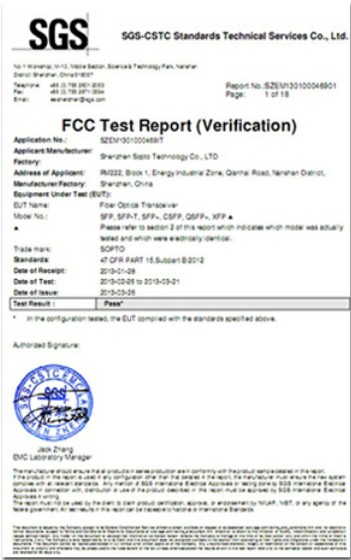
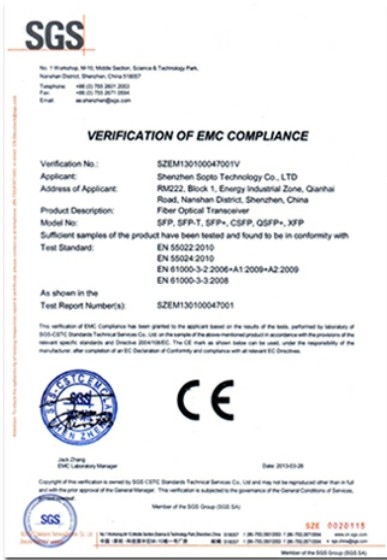
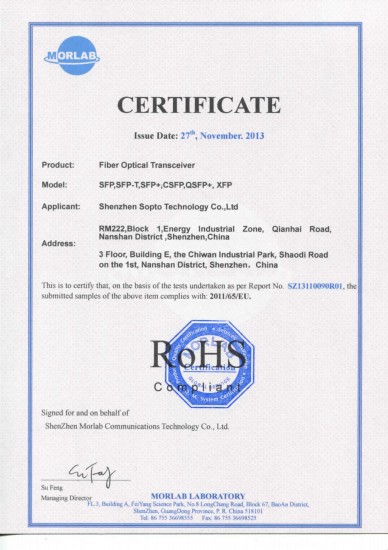
Guarantee
Except products belongs to Bargain Shop section, all products are warranted by SOPTO only to purchasers for resale or for use in business or original equipment manufacturer, against defects in workmanship or materials under normal use (consumables, normal tear and wear excluded) for one year after date of purchase from SOPTO, unless otherwise stated...
Return Policies
Applications
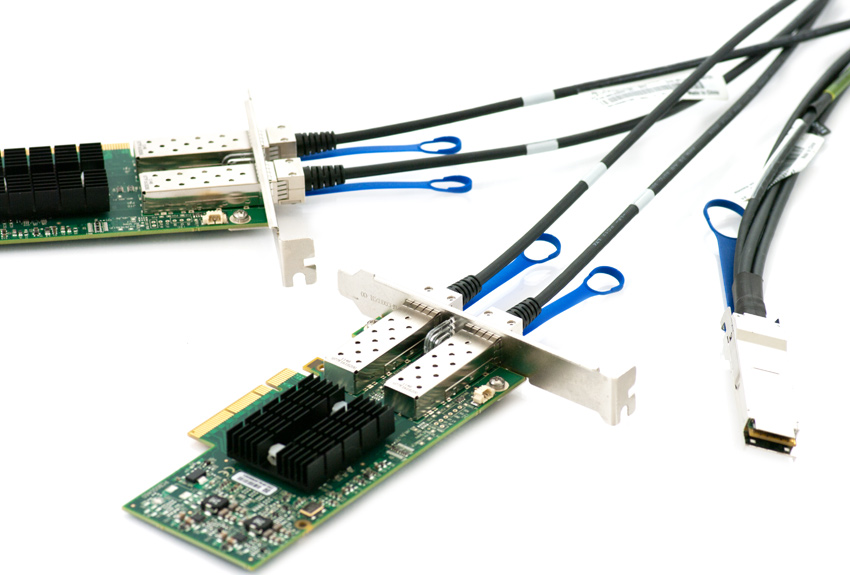 Twinax Cables are mainly used with PCI or PCI-E Card for the short distance interconnection in the server room.
SNS Page


SOPTO Products
- Fiber Optic Transceiver Module
- High Speed Cable
- Fiber Optical Cable
- Fiber Optical Patch Cords
- Splitter CWDM DWDM
- PON Solution
- FTTH Box ODF Closure
- PCI-E Network Card
- Network Cables
- Fiber Optical Adapter
- Fiber Optical Attenuator
- Fiber Media Converter
- PDH Multiplexers
- Protocol Converter
- Digital Video Multiplexer
- Fiber Optical Tools
- Compatible
Related Products
Performance Feature
Recommended
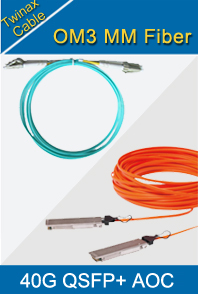
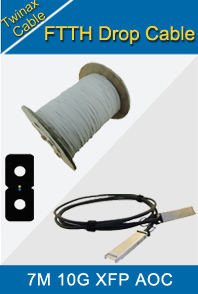
- High Speed Cable Structure and Material Feature and Advantages
Simply understand the structue, material feature and advantages of high-speed cable (Twinax Cable) please read information below.
- 2P 8P High Speed Cable Structure
SFP/SFP+ cables are both 2P structure; QSFP/QSFP+/InfiniBand/Fiber channel/Mini SAS these cable are all 8P structure.
- High Speed Cable Electrical Properties
The electrical properties of the high speed cable (Twinax Cable) mainly includes the Impedance, Attenuation, Intra-pair Skew, Inter-pair Skew, Delay and the attenuation of Differential to Common Mode (SCD21).
- What is Active Cable?
Active cables are copper cables for data transmission that use a silicon chip (semiconductor) to boost the performance of the cable. Without a chip, a cable is considered a 'passive' cable. Passive cables are liable to degrade the data they carry, due to
- Active Optical Cable (AOC) Explained in Details
Active Optical Cable (AOC) is a cabling technology that accepts same electrical inputs as a traditional copper cable, but uses optical fiber “between the connectors”. AOC uses electrical-to-optical conversion on the cable ends to improve speed and distanc